
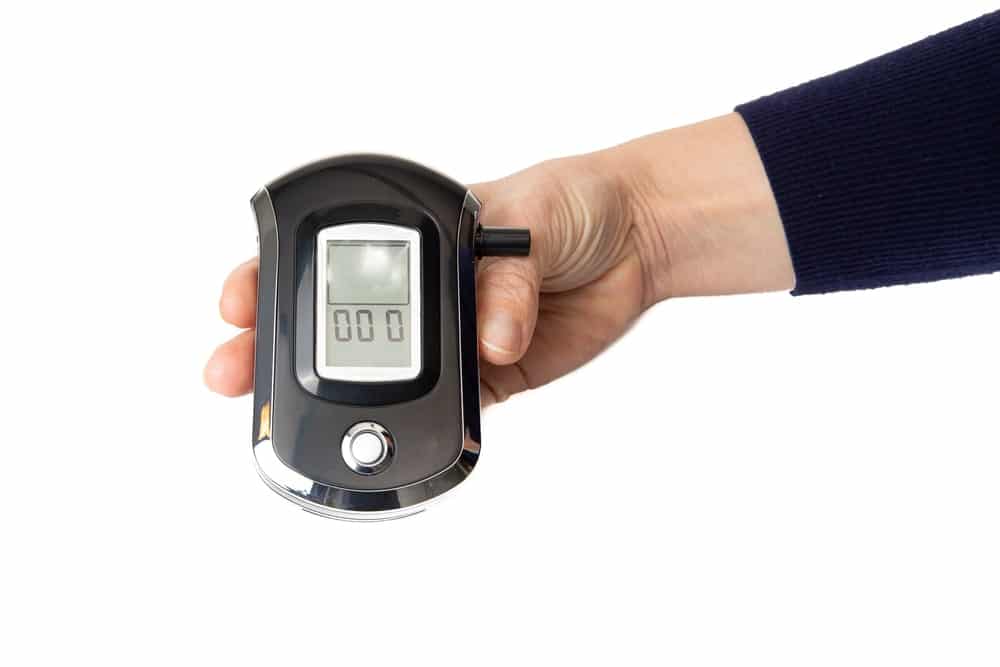
Refusing a breathalyzer in Ontario is a criminal offence under Section 320.15 of the Criminal Code. Refusal triggers an immediate 90-day driver’s license suspension. Responding to the charge of refusing a breathalyzer test means understanding the strict laws for DUI offences. This legal guide explains the offence of refusing a breathalyzer after a traffic stop in Ontario.
What is a breathalyzer test in Ontario?
A breathalyzer test is a procedure for measuring the blood alcohol concentration (BAC) of drivers to determine if they are driving under the influence of alcohol.
The test uses an approved screening device to gather a breath sample. These authorized BAC-measuring devices have strict protocols attached to their usage if the evidence gathered is to be used to prosecute a defendant.
The Types of Authorized Breathalyzer Tests in Ontario
Comparison of Breath Tests
| Feature | Roadside Screening Test | Approved Instrument Test |
| Device Used | Approved Screening Device (ASD) | Intoxilyzer |
| Location | Roadside (during a lawful traffic stop) | Police Station |
| Purpose & Precision | Initial screening tool | Highly precise, evidentiary measurement |
| Grounds for Demand |
1. Reasonable suspicion of alcohol consumption
2. Lawful stop with an ASD present (no suspicion required) |
Reasonable grounds to believe blood alcohol concentration exceeds the legal limit (typically following an ASD result) |
| Legal Obligation | Mandatory compliance upon a valid demand | Mandatory compliance upon a valid demand |
What is “implied consent” in Ontario?
Two main pieces of legislation regulate breathalyzer testing (and impaired driving in general) in Ontario:
- The Criminal Code of Canada, and
- Ontario’s Highway Traffic Act (HTA)
In Ontario, an authorized law enforcement official can conduct random spot checks for impaired drivers even without suspicion of impairment (“probable cause”).
During a traffic stop in Ontario, you have the right to remain silent once you have identified yourself. But remaining silent can raise officers’ suspicions. You may be requested to complete a field sobriety test or breath sample test—and it’s important to understand your obligations in such scenarios.
The “implied consent” law in Ontario means that if you are operating a vehicle, you have implicitly agreed to comply with breathalyzer testing if requested by an authorized member of law enforcement.
Can you refuse a breathalyzer test in Ontario?
Refusing a breathalyzer test in Ontario without a reasonable excuse can result in an immediate administrative licence suspension and criminal charges.
The criminal charges can lead to penalties that may even be harsher than for a standard impaired driving conviction. This is because you are directly failing to comply with a lawful police demand.
Before you deal with any criminal charges, you’ll need to contend with some immediate roadside sanctions, which are detailed in the next section.
The associated penalties are harsh by any standards, but particularly so if you hadn’t even been drinking and refused the test because you believed it was your right to do so, which does happen.
Is refusing a breathalyzer worse than failing one?
The penalties for refusing are often equal to or even more severe than failing the test. For instance, a first-time refusal conviction carries a mandatory minimum fine of $2,000, whereas blowing over the limit typically starts at a $1,000 minimum fine.
What happens to my driver’s licence immediately after I refuse?
Your driver’s licence will be suspended immediately for 90 days under Ontario’s Administrative Driver’s Licence Suspension (ADLS) program, and your vehicle will be impounded on the spot for 7 days at your expense.
Will I get a criminal record if convicted of refusing to blow?
Yes, a conviction for refusing to provide a breath sample results in a permanent criminal record, which can severely impact your employment opportunities, insurance rates, and ability to travel internationally.
What are the minimum penalties for a first-time refusal conviction?
A first-time conviction carries a mandatory minimum fine of $2,000, a minimum one-year driving prohibition, mandatory enrollment in the “Back on Track” education program, and the required use of an ignition interlock device once you are allowed to drive again.
Can I demand to speak to a lawyer before taking a roadside breath test?
No, Canadian law generally does not grant you the right to consult with a lawyer before providing an initial roadside screening sample. You must comply with the roadside demand first. However, you do have the right to speak to legal counsel before taking an evidentiary breath test (Intoxilyzer) at a police station.
What if I tried to blow but could not produce enough air?
If you have a verifiable medical condition—such as severe asthma or a lung condition—that physically prevented you from providing an adequate sample, this may serve as a valid legal defence in court.
Can I be charged with refusal even if I was entirely sober?
Yes, the refusal itself is a criminal act. The Crown does not need to prove that you were actually impaired by alcohol or drugs to secure a conviction for refusing a lawful demand.
Do police need reasonable suspicion to demand a roadside breath sample?
Not always. Following the 2018 changes to the Criminal Code, police can demand a roadside breath sample without any suspicion of alcohol consumption, as long as they have lawfully stopped your vehicle and possess an Approved Screening Device (ASD).
Can I fight a refusal charge in court?
Yes, it is possible to defend against a refusal charge. Common legal defences include challenging whether the initial traffic stop was lawful, questioning if the officer’s demand was legally valid, or proving that a medical inability or language barrier prevented you from complying.
Is refusing a breathalyzer test ever legal in Ontario?
If you refuse to provide a breath sample in Ontario, you must have a reasonable excuse for doing so or face administrative and criminal penalties.
According to section 320.15(1) of the Criminal Code of Canada, failing or refusing to comply with a demand for a breathalyzer test, without reasonable ground, is an offence.
Police officers with approved screening devices can, therefore, lawfully demand a breath sample from any person operating a motor vehicle—regardless of whether there is reasonable suspicion of an offence having been committed.
Drivers must comply with the request unless they have an acceptable reason not to—which is extremely rare. A “reasonable ground” may include a disability or proven medical condition that prevents the driver from performing the test. Without this, a refusal is illegal and the driver can be arrested.
Administrative penalties for breath test refusal
Under the terms of the Highway Traffic Act in Ontario, a breath test refusal results in an immediate roadside suspension of 90 days for a first offence. A $550 administrative penalty also applies, along with a minimum seven-day vehicle impoundment fee of $275.
These penalties apply regardless of whether you are later convicted of impaired driving—and are even more serious for repeat offenders.
You can contest the roadside suspension—and it is advisable to do so with the assistance of a seasoned DUI lawyer.
Criminal penalties for refusing a breathalyzer
The criminal penalties for a conviction for a breath test refusal under the Criminal Code include a further license suspension, fines, mandatory alcohol education programs, and even jail time—in addition to the HTA penalties.
The fine will be not less than $2,000. The mandatory minimum driving prohibition/suspension is one year for a first-time offender but the judge can impose up to a three-year driving prohibition at their discretion.
Second-time offenders within a 10-year period will face 30 days of jail time and a three-year license suspension while subsequent offences attract 120 days of jail time.
Drivers may be able to legally drive again before their suspension ends only if they qualify for the Ignition Interlock Device program, which requires an in-car breathalyzer to be fitted. This locks the engine unless the driver registers a zero BAC from random breath tests.
Long-term consequences of refusing a breath test in Ontario
The longer-term effects of a permanent criminal record can also have a knock-on effect on an offender’s future. Employment, education, travel, insurance, and immigration status can all be negatively impacted.
How can a lawyer help you fight a breath test refusal charge?
It’s best to consult with a lawyer as soon as possible after the refusal incident. Your lawyer can assist in multiple ways throughout a breath test refusal or impaired driving case—notably with the following:
- Providing legal guidance to protect your rights and improve your understanding of your legal options and how to navigate the Ontario legal system.
- Investigating the case, including the details of the traffic stop and the precise actions of the police officer(s) to see if they breached your rights.
- Reviewing procedural compliance to ensure that all proper protocols were followed during the demand for a breath sample.
- Gathering supporting evidence that may be used to bolster your defence, such as witness statements or medical records.
- Building a robust defence strategy that includes cross-examinations and persuasive arguments.
- Negotiating with the prosecution or presenting you at trial, depending on which legal option is best and how strong your defence is.
With expert legal assistance, you improve the chances of a favorable outcome and prevent many of the severe consequences outlined above.
Breathalyzer refusal cases can be complex and technical. It’s best to discuss your legal options as soon as possible, as you will likely need to challenge the administrative penalties in addition to the criminal ones.
For legal advice about administrative or criminal charges for refusing a breath test in Ontario, speak to a criminal defence lawyer from Affordable Defence during a free consultation. Contact us directly online or call us at 613-223-4089.
